
 August 31, 2026
| By
Key Event Solutions
August 31, 2026
| By
Key Event Solutions
Product Launch Events: How to Create Maximum Brand Impact
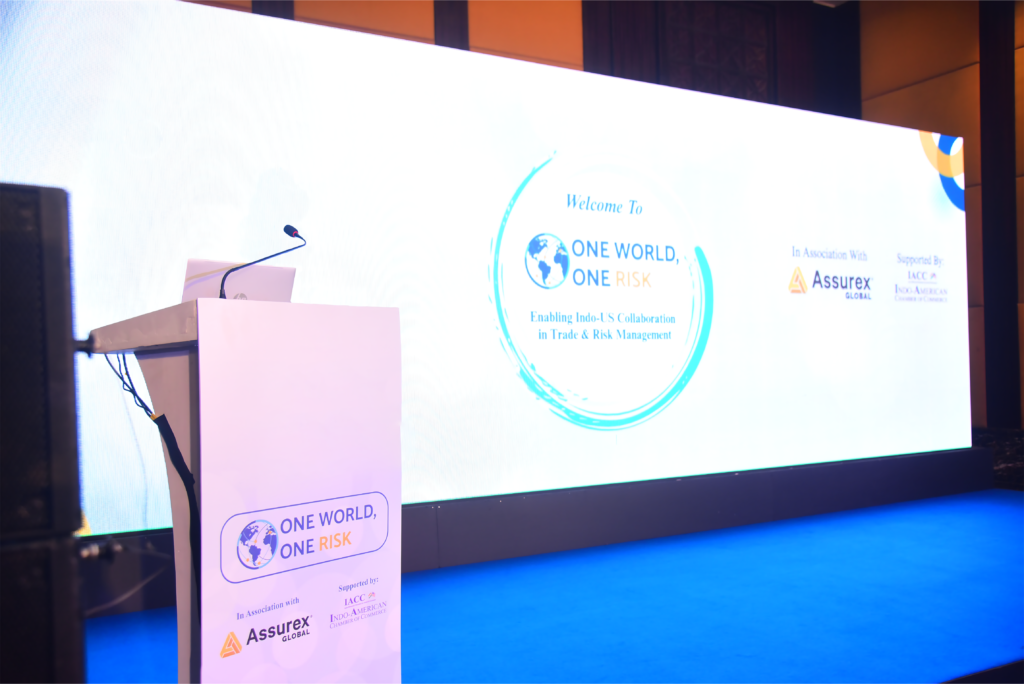
Launching a new product is one of the most important moments in a brand’s journey. It is the point where an idea moves from development to the public, and where customers, partners, media, investors, and industry stakeholders get their first real opportunity to experience what the brand has created. That is why Product Launch Events should be approached as strategic brand experiences rather than simple announcements. A successful Product launch event combines storytelling, audience engagement, creative production, technology, branding, and precise execution to create an impression that continues well beyond the event itself. For businesses looking for professional Product Launch Event Management, partnering with a Corporate Event Management Company in Mumbai such as Key Event Solutions can bring all these elements together under one coordinated strategy.
Why Product Launch Events Are More Than a Product Reveal
A product launch is often remembered for one particular moment—the Product reveal. However, the reveal itself is only one part of the overall experience. The anticipation created before guests arrive, the way they enter the venue, the story presented on stage, the product demonstration, the interactions that follow, and the communication after the event all influence how the launch is perceived.
Modern Product Launch Events are increasingly designed as complete brand experiences. Instead of asking guests to simply sit through a presentation, brands are creating environments where audiences can discover, interact with, and understand the product.
The journey might begin with a carefully designed invitation and continue through a branded arrival area, interactive installation, keynote presentation, dramatic product reveal, demonstration zone, networking experience, and social media engagement. Each stage has a role to play.
A successful launch should ultimately help the audience answer three questions:
- What is the product?
The product’s purpose and key proposition should be easy to understand. - Why does it matter?
The launch should connect the product with a genuine customer need, market opportunity, or problem. - What happens next?
The event should create a pathway towards enquiries, trials, purchases, partnerships, media coverage, or another defined business outcome.
This broader approach is what separates professional Product Launch Event Management from simply organizing a venue and arranging a stage.
Start With the Purpose Behind the Launch
Before choosing a venue, developing a theme, or planning the Product reveal, the business needs to establish what it wants the event to accomplish.
A technology company launching an enterprise platform may want to educate decision-makers and demonstrate how its solution works. A consumer brand may be more focused on excitement, social visibility, influencer participation, and customer interaction. A premium product may require a more exclusive environment that communicates quality and positioning.
There is no universal formula.
The event concept should be built around the product, the audience, and the business objective.
Some common objectives include:
1. Building Market Awareness
When a product enters a new category or market, the launch can establish initial awareness and introduce the brand’s proposition to the right audience.
2. Generating Qualified Leads
For B2B products, the event can bring potential buyers, decision-makers, distributors, and business partners together in one environment.
3. Creating Brand Excitement
Consumer-facing launches can use entertainment, experiential design, influencers, and social media to create anticipation and conversation.
4. Educating Customers
Products with technical or complex features may require live demonstrations, expert sessions, workshops, and interactive experiences.
5. Strengthening Brand Positioning
The environment, messaging, production, and guest experience can communicate how the brand wants to be perceived within its market.
Once the objective is clear, the rest of the Corporate Event Management strategy becomes more focused.
Understand the Audience Before Designing the Experience
A launch should never be designed solely from the brand’s perspective. The audience’s expectations need to influence the experience from the beginning.
A customer attending a consumer-product launch may want to interact with the product immediately. A journalist may need access to product information and leadership interviews. A distributor may be more interested in commercial opportunities, while an investor may want to understand the market potential.
Depending on the nature of the product, the guest list may include:
- Existing customers
- Potential customers
- Business partners
- Dealers and distributors
- Media representatives
- Industry experts
- Influencers and content creators
- Investors
- Employees
- Senior leadership
- Other strategic stakeholders
Understanding these groups allows the event team to design experiences that feel relevant rather than generic.
The objective is not simply to achieve a high attendance number. It is to bring together the people who can contribute to the product’s success and give them a meaningful reason to engage.
Build Anticipation Before the Product Reveal
The Product reveal becomes much more powerful when the audience has been given a reason to anticipate it.
Pre-launch communication is therefore an important part of Product Launch Event Management. The event should not exist separately from the marketing campaign. Instead, both should contribute to one continuous story.
A pre-launch campaign may include teaser videos, countdowns, email invitations, social media content, behind-the-scenes material, influencer collaborations, media outreach, exclusive previews, and mystery-led communication.
The amount of information released before the event will depend on the launch strategy. Some brands may gradually introduce product features, while others may intentionally keep the product hidden until the main reveal.
What matters is maintaining curiosity while keeping the messaging clear.
The visual identity of the pre-launch campaign should also connect with the physical event. When guests arrive and encounter the same colours, graphics, language, imagery, and messaging they have already seen online, the experience feels much more cohesive.
Storytelling Makes the Product More Memorable
Products may be built around features, specifications, and technical capabilities, but those details alone do not always create a lasting connection. People are more likely to remember the reason behind a product, the problem it solves, and the difference it can make.
This is where storytelling becomes one of the most important elements of Product Launch Events.
Rather than beginning with a long list of specifications, the presentation can introduce a customer challenge or market problem. From there, the audience can be taken through the insight or idea that led to the product before the product itself becomes the answer.
This structure creates context.
It also gives the audience a reason to pay attention before they are asked to remember technical information.
Storytelling can be delivered through:
- Brand films — Establish the emotional and strategic context behind the launch.
- Keynote presentations — Give leadership an opportunity to communicate the product vision.
- Customer stories — Demonstrate how the product addresses genuine needs.
- Live demonstrations — Show the product working rather than simply describing its features.
- Motion graphics — Simplify complex information through visual communication.
- Interactive experiences — Allow guests to explore the product directly.
The strongest Product Launch Event Management strategies ensure that the story continues beyond the main presentation. It should be visible in the invitation, venue design, branding, product display, reveal sequence, demonstration zones, and post-event communication.
When every element supports the same narrative, the product becomes easier to understand and more memorable.
Choosing the Right Venue for a Product Launch
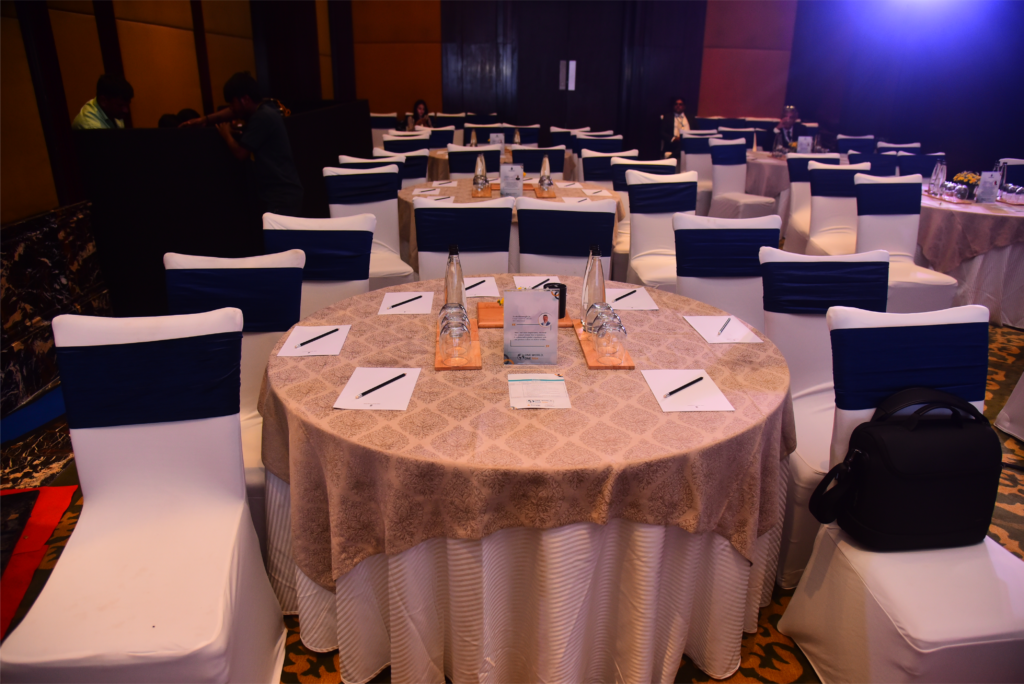
The venue is not simply where the event happens. It can influence the atmosphere, guest experience, production capabilities, branding opportunities, and overall perception of the launch.
For brands planning a Product launch event in Mumbai, there are numerous possibilities across BKC, Andheri, Lower Parel, Worli, Powai, Bandra, and other major business and commercial areas.
However, the most attractive venue is not automatically the best venue.
The space should be evaluated according to the requirements of the product and the audience.
Important considerations include:
- Accessibility — Guests should be able to reach the venue comfortably.
- Capacity — The venue must accommodate the audience without compromising the experience.
- Stage and production requirements — AV, LED, lighting, rigging, power, and technical access need to be considered.
- Product display areas — The venue should provide suitable space for demonstrations and interaction.
- Branding opportunities — There should be sufficient touchpoints to establish a consistent visual identity.
- Guest movement — Registration, seating, demonstrations, networking, and hospitality should flow naturally.
- Budget — The venue needs to fit into the overall event investment.
This is one reason businesses often work with an experienced event management company in Mumbai. A professional team can evaluate the practical and creative requirements before recommending a venue rather than selecting a location based only on appearance.
Make the Product Reveal the Moment Everyone Remembers
The Product reveal is usually the emotional centre of the launch.
After the audience has been introduced to the problem, the brand story, and the anticipation surrounding the new product, the reveal provides the moment of discovery.
The execution should reflect the personality of the product.
A technology launch may use dynamic visuals and interactive screens. A luxury product may require a more refined and controlled presentation. An automotive launch may benefit from movement, lighting, and spatial design. A consumer product may use music, performance, and experiential elements.
Possible reveal techniques include:
- LED visual sequences
- Lighting transitions
- Music and sound design
- Projection mapping
- Stage automation
- Countdown sequences
- Curtain or screen reveals
- Live demonstrations
- Interactive technology
But technology should always have a purpose.
The audience should leave remembering the product, not simply the machinery used to reveal it.
That is the real measure of an effective Product Launch Event.
Design an Experience Around the Product
Once the product has been revealed, the audience should have an opportunity to explore it.
This is where experiential design becomes especially valuable.
Instead of asking guests to watch a presentation and then leave, the event can provide dedicated areas where they can test the product, interact with experts, ask questions, explore different use cases, or experience the product in a realistic environment.
For example, a technology company could create demonstration stations around specific use cases. A consumer brand could allow visitors to try the product. An automotive company could create an experience zone. A B2B business could demonstrate how its solution works within an actual business scenario.
These interactions make the launch more tangible.
They also create opportunities for photography, video, social media content, customer feedback, and one-to-one conversations.
Build Strong Branding Across Every Touchpoint
Branding should go much further than placing a logo on a stage backdrop.
A professionally executed Product Launch Event should create a consistent visual identity throughout the guest journey.
This can include:
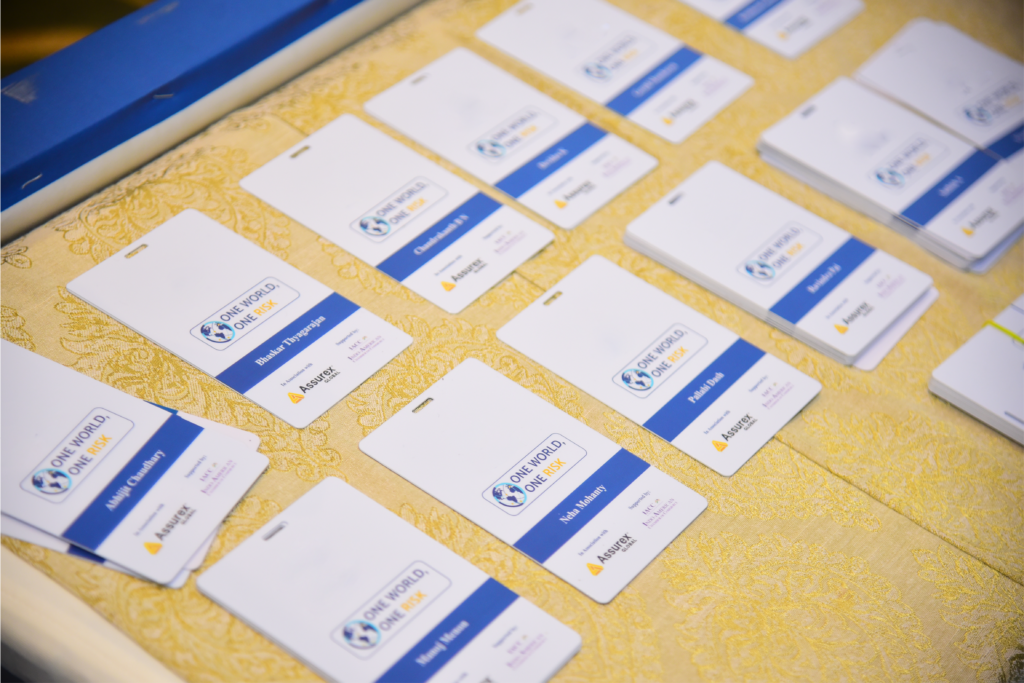
- Entrance installations
- Registration counters
- Stage graphics
- LED content
- Directional signage
- Product display areas
- Photo opportunities
- Presentation templates
- Staff communication
- Digital screens
- Invitations
- Gifting and event collateral
Consistency strengthens brand recognition and makes the event feel intentional.
It also helps create a library of professional photographs and videos that the brand can use after the launch.
Technology Should Improve the Experience
Technology has become an important part of modern Corporate Event Management, particularly for product launches where demonstrations and visual storytelling are central to the experience.
Depending on the event, technology may support:
- Digital registration
- QR-based check-in
- LED and projection systems
- Interactive displays
- AR and VR experiences
- Live streaming
- Audience polling
- Event applications
- Digital demonstrations
- Social media integration
For hybrid launches, technology can extend the experience to audiences who cannot physically attend.
However, technology should simplify and strengthen the experience rather than create unnecessary complexity.
Why Professional Product Launch Event Management Matters
A product launch may involve dozens of individual teams working behind the scenes.
Venue representatives, fabricators, AV specialists, lighting teams, decorators, caterers, photographers, videographers, entertainers, registration staff, security teams, speakers, media representatives, and brand stakeholders may all need to coordinate with one another.
Without central coordination, even small communication gaps can affect the final experience.
This is where a professional Corporate Event Management Company in Mumbai can make a meaningful difference.
The event team can coordinate:
- Strategic planning
- Event conceptualisation
- Venue selection
- Vendor management
- Stage and AV production
- Branding
- Guest registration
- Logistics
- Technical rehearsals
- Product demonstrations
- On-site execution
For businesses considering professional support, our guide on what services are included in event management provides a broader look at how different event-management functions work together.
Plan the Budget Around Impact
A successful launch does not necessarily mean spending more. It means spending intelligently.
The budget should reflect the areas that are most important to the product and its audience.
A product launch budget may need to cover:
- Venue
- Stage and set design
- Audio-visual production
- LED screens and lighting
- Branding and fabrication
- Product display
- Demonstration zones
- Catering and hospitality
- Registration
- Entertainment
- Photography and videography
- Media and influencer engagement
- Transportation
- Event technology
- Staffing
- Contingency
The right allocation depends on the event objective.
A premium consumer product may require greater investment in experiential design. A B2B technology launch may benefit more from demonstrations and audience engagement. A media-heavy launch may require stronger content production and press facilities.
Businesses planning their event budget can also read our guide on how to budget for a corporate event for a deeper understanding of event-cost planning.
Connect the Launch With the Larger Event Strategy
A product launch should not be treated as an isolated marketing activity.
It can be part of a broader corporate communication and event strategy that includes conferences, employee engagement, brand activations, customer meets, annual celebrations, exhibitions, and industry networking.
Understanding current developments in the industry can help brands make more informed decisions. Our article on Top Corporate Event Trends in India for 2026 explores how technology, engagement, and experience are shaping modern corporate events.
For wider industry perspectives, organisations such as the Events Industry Council and PCMA also provide resources and insights relevant to business events and professional event management.
The Foundation of a High-Impact Product Launch
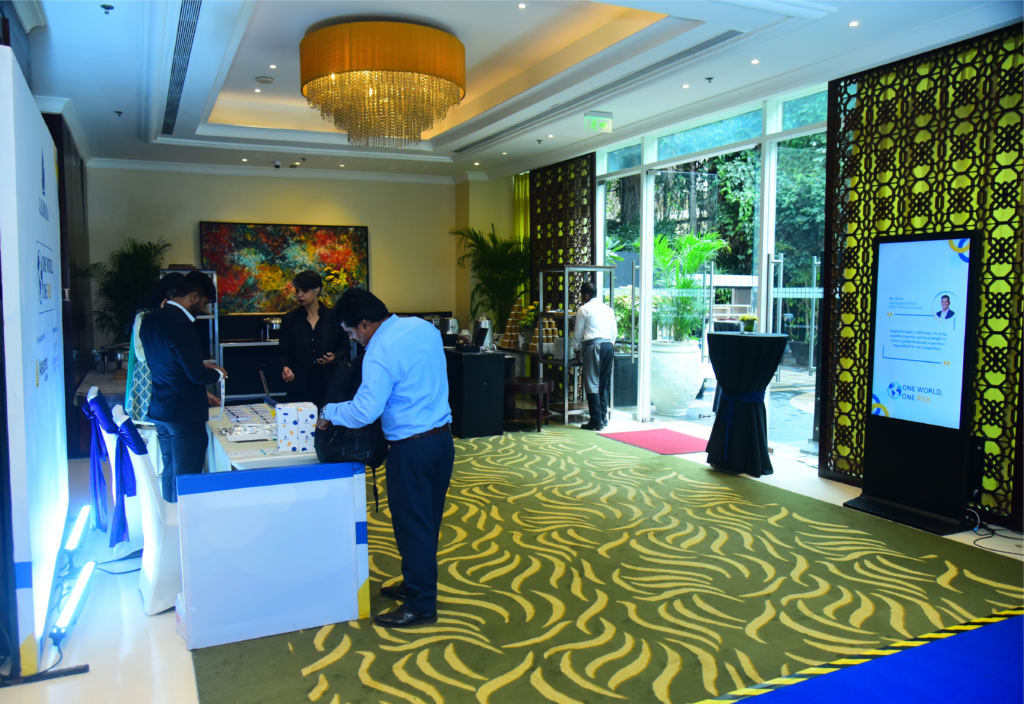
The strongest Product Launch Events are not built around one impressive stage moment. They are developed through a series of connected decisions that begin with the business objective and continue through audience strategy, storytelling, venue selection, experiential design, technology, branding, and execution.
The Product reveal may be the moment everyone photographs, but the impact of that moment depends on everything that came before it.
A well-planned launch gives the audience a reason to anticipate the product, a story that makes it meaningful, an experience that allows them to understand it, and a clear next step once the event is over.
That is the foundation of effective Product Launch Event Management.
Extending the Impact Beyond the Product Reveal
The most successful Product Launch Events do not end when the product is unveiled. The reveal creates the first wave of attention, but the real value comes from what the brand does with that attention afterwards. Media coverage, social conversations, customer interactions, sales enquiries, digital content, and follow-up communication can extend the life of the launch and turn a single event into a much larger brand campaign.
For businesses investing in Product Launch Event Management, this means planning beyond the event day. Every element—from media engagement and product demonstrations to post-event communication and performance measurement—should contribute to the same business objective.
Turn the Launch Into a Media Opportunity
A product launch can give a brand a valuable opportunity to speak directly to journalists, industry publications, creators, analysts, and other influential voices. But media coverage rarely happens simply because an event takes place.
The launch needs a story worth covering.
That story could be the product’s innovation, its market relevance, a new technology, a significant business milestone, an industry challenge it addresses, or the company’s larger vision.
A professional media strategy can include:
- Press previews
Give selected journalists an opportunity to understand the product before the main event. - Leadership interactions
Create opportunities for senior executives and product leaders to explain the thinking behind the launch. - Product demonstrations
Let media representatives experience the product rather than relying only on a press release. - Press kits
Provide relevant product information, images, specifications, company information, and contact details. - Interview opportunities
Schedule focused conversations with leadership or product specialists. - Post-event media communication
Share approved images, videos, announcements, and relevant information after the event.
The objective is to make it easy for the media to understand the story and communicate it accurately.
For a major launch, this media strategy can be planned alongside the event itself rather than added at the last minute.
Bring Influencers Into the Experience
Influencer marketing can add another dimension to Product Launch Events, particularly for consumer-facing products.
However, choosing influencers purely because they have a large following can be counterproductive. Relevance matters more than numbers.
A technology product may benefit from technology reviewers and creators. A beauty launch may require beauty and lifestyle creators. A fitness product may be better suited to fitness professionals and health-focused creators.
The influencer should have a genuine connection with the product category and an audience that the brand wants to reach.
The experience can include:
- Exclusive product previews
- Creator-only demonstrations
- Guided product experiences
- Interview opportunities
- Branded content zones
- Behind-the-scenes access
- Social media challenges
- Product trials
When creators can genuinely experience the product, their content is more likely to feel natural rather than scripted.
Make Social Media an Extension of the Event
A physical launch may last a few hours, but social media can extend that experience for days or weeks.
This is where event content becomes extremely valuable.
Professional photography and videography should capture more than the stage. The content team should document the guest arrival, product reveal, audience reactions, demonstrations, leadership interactions, branding, networking, and behind-the-scenes moments.
This creates multiple content opportunities after the event.
For example, one Product Launch Event can generate:
- Launch film → A polished overview of the complete experience.
- Product reveal video → A short, high-impact piece focused on the central moment.
- Speaker clips → Short videos featuring leadership or product experts.
- Customer reactions → Authentic feedback from attendees.
- Behind-the-scenes content → A look at how the launch was created.
- Photography → Images for websites, PR, social media, and future marketing.
This content can help maintain momentum long after the physical event has ended.
Product Demonstrations Should Continue After the Stage
A product may be revealed on stage, but the audience’s real questions often begin afterwards.
What does it actually do?
How does it work?
Who is it designed for?
How is it different from existing alternatives?
What problem does it solve?
A demonstration area gives guests an opportunity to find these answers.
For complex products, demonstrations can be organised around different use cases rather than simply listing features. This makes the experience more practical and customer-focused.
For B2B products, demonstrations can also create valuable one-to-one conversations between potential customers and product specialists.
This is particularly important when the event’s objective includes lead generation.
Build Lead Generation Into the Experience
A launch can create excitement, but excitement needs a pathway towards action.
If the objective is to generate business enquiries, the registration and engagement process should make it easy to identify interested prospects.
Digital registration can collect relevant information before the event, while interactions during the event can help identify audience interests.
Lead-generation opportunities may include:
- Product demo registrations
- Consultation requests
- QR-based information access
- Meeting bookings
- Product trials
- Enquiry forms
- Distributor registrations
- Sales-team interactions
The process should remain simple. Guests should not feel that every interaction is designed to collect information from them.
Instead, the exchange should provide something useful in return.
Vendor Coordination Behind the Scenes
A successful Product Launch Event depends on many people who may never appear in front of the audience.
The stage designer needs to coordinate with the AV team. The AV team needs to understand the presentation and reveal sequence. The branding team needs to complete installations before technical rehearsals. Catering needs to work around the event schedule. Registration needs to be ready before guests arrive.
One delay can affect several other teams.
This is why vendor management is a major component of professional Corporate Event Management.
At Key Event Solutions, we coordinate the different partners and service providers involved in an event so that the client does not have to manage every operational detail independently.
For businesses planning events across multiple cities, this becomes even more important.
A launch in Mumbai may have completely different venue, logistics, and supplier requirements from an event in Pune, Delhi, Bengaluru, Hyderabad, or another major business city.
Rehearse the Reveal Before the Audience Arrives
A product reveal may last only a few minutes, but it can involve hours of preparation.
The music cue needs to be correct.
The lighting needs to change at the right moment.
The LED content needs to play without interruption.
The presenter needs to know exactly when to move.
The product must be positioned correctly.
The technical team must know what happens if something fails.
A complete rehearsal brings all these elements together.
Technical rehearsals should ideally include the presenters, production team, stage managers, AV operators, lighting team, content team, and other key stakeholders.
The purpose is not simply to practise the presentation. It is to test the entire sequence.
Always Prepare for What Could Go Wrong
No matter how carefully a Product Launch Event is planned, live events can present unexpected challenges.
A speaker may be delayed. A video may fail to play. A supplier may arrive late. A technical component may stop working. Weather may affect transportation or an outdoor setup.
Professional event planning therefore includes contingency arrangements.
A strong event team prepares alternatives before they are needed.
This may include backup presentation files, additional technical equipment, alternative transportation arrangements, replacement vendors, emergency contacts, backup power, alternate schedules, and indoor alternatives for outdoor activities.
Good contingency planning is rarely visible to the audience.
That is exactly how it should be.
Measure What the Launch Achieved
Once the event is over, the brand should evaluate whether the launch delivered against its original objectives.
The right metrics depend on what the business wanted to achieve.
For awareness-focused launches, brands may look at:
- Media coverage
- Social media reach
- Video views
- Website traffic
- Search interest
- Content engagement
For sales-focused launches, more relevant measures may include:
- Qualified leads
- Product enquiries
- Demonstration requests
- Trial registrations
- Meetings scheduled
- Pre-orders
- Sales opportunities
For relationship-focused launches, the business may examine:
- Customer attendance
- Partner participation
- Audience feedback
- Stakeholder engagement
- Follow-up meetings
This is why defining objectives before the event is so important. Without a clear objective, it becomes difficult to determine whether the launch was successful.
Avoid These Common Product Launch Mistakes
Even well-established brands can make avoidable mistakes during product launches.
Focusing Too Much on Production
A massive LED screen, impressive lighting system, or elaborate stage can attract attention, but production should support the product rather than become the main attraction.
Making the Reveal Too Complicated
A reveal should create excitement, not confusion. The audience should immediately understand what has been launched and why it matters.
Overloading the Presentation
Too many slides, statistics, technical terms, and product specifications can make the audience lose interest.
The presentation should prioritise the information that matters most.
Choosing the Wrong Venue
A venue may look excellent in photographs but still be unsuitable for the required stage, product display, audience movement, or technical setup.
Ignoring the Online Audience
If a launch includes remote attendees, they need to be considered in the experience from the beginning rather than treated as an afterthought.
Forgetting the Follow-Up
The event may create hundreds of potential conversations. If the sales and marketing teams do not follow up quickly, much of that momentum can disappear.
Why Key Event Solutions?
A successful product launch requires strategic thinking as well as flawless execution.
Key Event Solutions brings together event conceptualisation, planning, venue selection, logistics, stage and AV design, guest management, branding, vendor coordination, and on-site execution under one coordinated approach.
Our philosophy is simple:
From Concept to Execution — Your Vision, Our Expertise.
Whether it is a product launch, corporate conference, brand activation, annual celebration, employee engagement programme, sports event, festive celebration, or business gathering, our team develops event experiences around the client’s objectives.
For organisations looking for a Corporate Event Management Company in Mumbai, our team provides end-to-end support from the initial concept through to execution.
We also manage events across Pune, Delhi, Bengaluru, Karnataka, Hyderabad, Chennai, and other major metropolitan cities in India, helping businesses create consistent experiences across different locations.
You can learn more about Key Event Solutions and our event management services or contact our team to discuss your upcoming event.
Related Blogs and Resources
For readers planning a corporate or product launch, these related resources can provide additional guidance:
- How to Plan a Flawless Corporate Event in Mumbai — A practical guide to planning corporate events, from venue selection to execution.
- What Services Are Included in Event Management? — Understand the different services involved in professional event management.
- How to Budget for a Corporate Event — Learn how to structure and manage a corporate event budget.
- Why Hiring an Event Management Company Saves Time and Money — Explore why businesses outsource event planning and execution to professionals.
- Top Corporate Event Trends in India for 2026 — Discover how technology, hybrid formats, experiential design, and audience engagement are influencing modern corporate events.
For additional industry insights on experiential marketing and live events, Event Marketer is another useful industry resource. Professional event and business-events resources are also available through the Events Industry Council and PCMA.
Frequently Asked Questions
What is the purpose of a Product Launch Event?
A Product Launch Event introduces a new product to a specific audience while creating awareness, excitement, engagement, and business opportunities. Depending on the brand’s objectives, it can also generate media coverage, leads, partnerships, and customer interest.
How does Product Launch Event Management help a brand?
Professional Product Launch Event Management brings together planning, venue selection, production, branding, logistics, guest management, technology, vendor coordination, and on-site execution. This allows the brand team to focus on the product and communication while experienced professionals manage the event.
How early should a product launch be planned?
The ideal timeline depends on the scale of the event. A straightforward launch may require several months, while a large-scale launch involving major production, multiple stakeholders, media, influencers, or multiple locations may require six months or longer.
Can Key Event Solutions manage a product launch outside Mumbai?
Yes, Key Event Solutions provides event management support across Mumbai, Pune, Delhi, Bengaluru, Karnataka, Hyderabad, Chennai, and other locations across India.
What should be the main focus of a product reveal?
The product should remain the centre of attention. The reveal should communicate what the product is, why it matters, and how it can benefit its intended audience without allowing excessive production elements to distract from the message.
How can a company measure the success of its launch?
Success can be measured through relevant indicators such as attendance, media coverage, social reach, product demonstrations, qualified leads, enquiries, trials, sales opportunities, customer feedback, and post-event engagement.
Final Thoughts
A product launch is an opportunity to introduce more than a new product. It is an opportunity to introduce a new idea, strengthen a brand’s position, create meaningful conversations, and give the market a reason to pay attention.
The strongest Product Launch Events combine strategic planning with creativity and disciplined execution. They understand that the product reveal is important, but they also recognise everything surrounding that moment—the story, audience, venue, technology, demonstrations, media, social content, follow-up, and measurable business outcomes.
For brands seeking Product Launch Event Management and Corporate Event Management support in Mumbai and across India, Key Event Solutions brings these elements together to create experiences designed around the brand’s objectives.
A great launch does not simply announce that something new has arrived.
It gives people a reason to remember it.