

 October 21, 2026
| By
Key Event Solutions
How AI Is Transforming Corporate Event Management in 2027
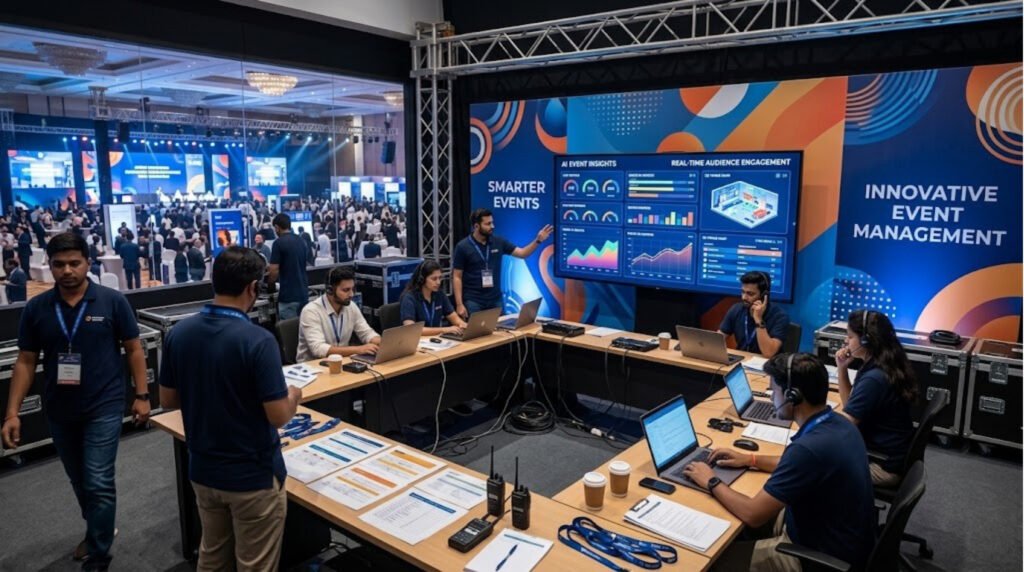
Corporate events are evolving beyond traditional venues, stage setups and presentations. Businesses now expect events to deliver meaningful audience engagement, stronger networking opportunities, measurable marketing outcomes and memorable brand experiences. Meeting these expectations requires more than careful coordination; it calls for smarter planning, faster decision-making and the ability to understand attendee needs. This is where AI in corporate event management is becoming increasingly relevant.
From automating registrations and analysing attendee preferences to improving event schedules and measuring performance, artificial intelligence is changing how organisers approach corporate events. In 2027, businesses can use AI-powered solutions to streamline repetitive tasks, make informed decisions and create more personalised experiences. However, technology alone cannot guarantee a successful event. The real advantage comes from combining intelligent tools with human creativity, industry knowledge and professional event execution.
For businesses working with an experienced corporate event management company in Mumbai or planning events across India, understanding these developments can help them make better decisions about event technology, budgets and audience engagement.
What Is AI in Corporate Event Management?
AI in corporate event management refers to the use of artificial intelligence technologies to support and improve different stages of an event, including planning, registration, communication, attendee engagement, logistics and post-event analysis. These technologies can process information, identify patterns, generate recommendations and automate certain tasks that would otherwise require significant manual effort.
For example, an AI-powered registration system can help organise attendee information, while an intelligent event platform may recommend relevant networking connections based on professional interests. AI-assisted analytics can also help organisers understand which sessions attracted the most attention, what attendees responded to and where future events could improve.
It is important to distinguish AI from basic event automation. A standard automation tool might send a confirmation email whenever someone registers. An AI-enabled system may go further by analysing attendee preferences, adapting communication or helping organisers identify useful patterns in registration and engagement data. The precise capabilities depend on the platform and the information available to it.
For corporate events such as conferences, product launches, annual celebrations, exhibitions, leadership summits and employee engagement programmes, these applications can make event planning more organised and responsive.
Why AI Is Becoming Important for Corporate Events in 2027
Corporate event expectations continue to expand. Attendees want relevant content, convenient registration, useful networking and experiences that respect their time. Meanwhile, businesses need greater visibility into event costs, engagement and return on investment. Event organisers must balance all these expectations while managing vendors, venues, schedules, technical requirements and last-minute changes.
Traditional planning methods remain valuable, but relying entirely on spreadsheets, manual follow-ups and disconnected communication can make complex events harder to manage. AI event planning tools can support teams by reducing repetitive administrative work, helping them interpret available data and identifying potential issues earlier in the process.
Consider a company organising a multi-day industry conference. The team may need to coordinate hundreds of attendees, multiple speakers, parallel sessions, venue requirements, catering preferences and sponsor commitments. AI-assisted tools can help categorise registration information, identify scheduling conflicts, draft attendee communications and summarise feedback. The event team can then spend more time on decisions that require experience, judgement and personal interaction.
AI is not a replacement for professional event management. It is a way to support better planning and execution when the technology is selected carefully and used for the right tasks.

7 Ways AI Is Transforming Corporate Event Management
1. AI-Powered Event Planning and Automation
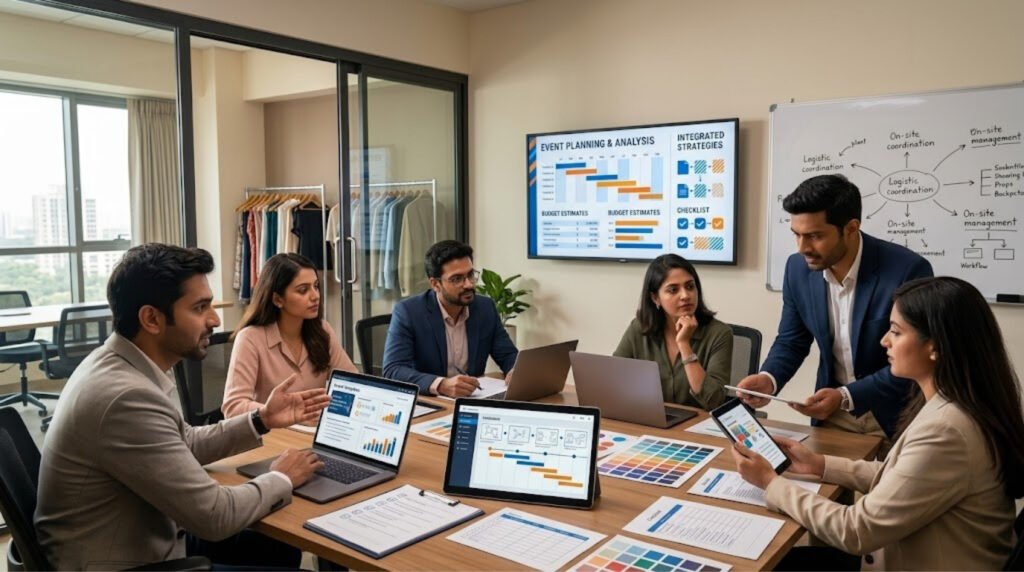
Event planning involves numerous interconnected tasks, from preparing timelines and coordinating suppliers to tracking budgets, confirming deliverables and managing approvals. When several teams and vendors are involved, even a small communication gap can affect the wider schedule.
AI-assisted planning tools can help organisers prepare initial project timelines, summarise planning discussions, draft task lists and organise information from different sources. When integrated with suitable project management systems, automation can also support reminders, approval workflows and routine follow-ups.
For instance, when planning a corporate annual celebration, an event team could use AI to create an initial checklist covering venue confirmation, stage design, entertainment, catering, guest registration and technical rehearsals. The team would then review the checklist, assign responsibilities and adapt deadlines to the event’s actual requirements.
The benefit is not that AI independently plans the entire event. Instead, it helps reduce the time spent organising information and gives the planning team a clearer starting point.
Where it helps most: Large corporate events, conferences, product launches, exhibitions and programmes involving multiple vendors.
2. Smart Registration and Attendee Management
Registration is often the first direct interaction attendees have with an event. A confusing registration process, delayed confirmation or incorrect attendee information can create a poor first impression before the event has even begun.
Modern event platforms can combine automated registration workflows with AI-assisted data processing to help organisers manage attendee information more efficiently. Depending on the platform, these capabilities may include categorising registrations, answering routine questions through chatbots, identifying incomplete records and supporting personalised communications.
For a corporate conference, attendees might ask about session timings, venue directions, parking, access requirements or registration confirmation. A well-configured event chatbot can answer common questions using approved event information, allowing the support team to focus on more complicated requests.
Organisers should still provide a clear route to human assistance, particularly for VIP guests, accessibility requests and unusual registration issues. They must also ensure that personal information is collected and processed responsibly.
The key advantage: Smart registration can improve convenience for attendees while reducing repetitive administrative work for event teams.
3. Personalised Attendee Experiences
Not every attendee comes to a corporate event for the same reason. A marketing professional may want to explore new campaigns and meet potential partners, while a business leader may prioritise strategic discussions and industry insights. Delivering the same experience to everyone can make an event less relevant to individual participants.
AI-enabled event platforms can help personalise parts of the attendee journey by using information such as selected interests, professional roles, registration responses and session preferences. Based on the platform’s capabilities, attendees may receive relevant session suggestions, tailored event updates or recommendations for activities aligned with their interests.
Imagine a technology conference featuring sessions on artificial intelligence, cybersecurity, business strategy and digital transformation. An attendee who selects AI and automation as areas of interest could receive recommendations for related sessions instead of having to search through the entire programme.
Personalisation should remain useful rather than intrusive. Attendees should understand how their information is used, and organisers should avoid collecting unnecessary data simply to make recommendations appear more sophisticated.
For event organisers, the objective is straightforward: make it easier for people to find the sessions, discussions and experiences that matter to them.
4. AI Matchmaking and Business Networking
Professional networking is one of the main reasons businesses attend conferences, trade shows and industry events. Yet meeting the right people can be difficult when hundreds of attendees are spread across different sessions, networking areas and meeting schedules.
AI-assisted matchmaking tools can help identify potentially relevant connections by comparing attendee-provided information, including industry, job role, business interests and networking goals. Some platforms can then suggest people to meet, recommend relevant sessions or help attendees arrange meetings.
For example, an exhibition attended by manufacturers, distributors, technology providers and procurement teams could use an event platform to recommend connections based on the business interests attendees have shared. This may help participants use their time more effectively and make networking less dependent on chance encounters.
However, an algorithm cannot guarantee a valuable business relationship. The quality of recommendations depends on the information supplied, the platform’s matching capabilities and whether attendees choose to engage.
Event organisers should also create opportunities for spontaneous conversations through well-planned networking breaks, interactive sessions and comfortable meeting spaces. The strongest networking experiences combine digital recommendations with an environment that encourages genuine human interaction.
5. Predictive Budgeting and Resource Planning
Budget management is a critical part of corporate event planning. Venue charges, production requirements, catering, transportation, entertainment, branding and contingency expenses can all influence the final cost. Without reliable estimates and consistent tracking, seemingly minor changes may affect the overall budget.
AI-assisted analysis can help organisers review historical spending, compare cost categories and identify patterns in available financial data. Depending on the quality of the information and the tools being used, these insights may support more informed decisions about resource allocation and potential cost pressures.
For example, an event team planning a company conference could compare the expected costs of different venue options, catering packages and production requirements. An analytical tool might help organise those figures and highlight categories that deserve closer review. The team would still need to verify supplier quotations, contract conditions, taxes and other relevant expenses before making commitments.
AI-generated estimates should never be treated as guaranteed prices or substitutes for confirmed vendor proposals. Supplier availability, seasonal demand, location and changing event requirements can all affect actual costs.
The practical value: Better-organised budget information can help event managers spot risks earlier, explain spending decisions and allocate resources more carefully.
6. Real-Time Event Analytics and Audience Engagement
Understanding attendee engagement during an event can help organisers respond more effectively and improve the overall experience. Traditional evaluation often relies heavily on post-event surveys, attendance counts and feedback collected after participants have left.
Digital event platforms can provide additional information through session attendance, live polls, question submissions, application interactions and other available engagement indicators. AI-enabled analytics may help summarise these signals, identify patterns and highlight areas that deserve attention.
At a leadership summit, for example, organisers could review participation across sessions to understand which topics attracted more interest. If a live question-and-answer session generates substantial participation, the team may consider extending similar interactive formats at future events. At a hybrid conference, engagement data from digital attendees may also reveal whether particular sessions need a different delivery approach.
Real-time insights should be interpreted carefully. A high number of clicks does not automatically mean that attendees found a session valuable, and low digital activity does not necessarily indicate poor engagement. Organisers should combine platform data with direct feedback, attendance context and observations from the event team.
Used thoughtfully, event analytics can turn audience activity into practical insights rather than leaving organisers to rely on assumptions.
7. Post-Event Reporting and Follow-Ups
An event’s value does not end when the venue closes. Businesses often need to understand whether the event achieved its objectives, how attendees responded, which leads require follow-up and what should change for the next programme.
Preparing a comprehensive report can be time-consuming when information is spread across registration systems, feedback forms, attendance records, marketing platforms and internal notes. AI tools can help summarise feedback, organise observations, identify recurring themes and draft initial reports from information supplied by the event team.
For a product launch, for example, an organiser might combine attendance figures, media coverage, attendee feedback, engagement metrics and qualified business enquiries to prepare a structured performance summary. AI can help organise these findings, but the team must validate the figures and distinguish measurable results from assumptions.
Post-event follow-ups can also benefit from automation. Attendees may receive thank-you messages, feedback requests, session resources or relevant next steps, provided these communications follow the event’s consent and data-handling requirements.
The final report should connect event activity to the original business objectives. Rather than reporting attendance alone, it should explain what the event achieved, what evidence supports those conclusions and which improvements are recommended for future events.
In this way, AI can help corporate event teams move from simply completing an event to learning from it and planning the next one more effectively.
AI Event Management Tools Businesses Should Know About
Choosing the right technology is an important step when introducing AI in corporate event management. Businesses do not necessarily need a separate AI platform for every task. In many cases, the best approach is to identify the event’s main challenges first and then select tools that address those needs.
Some platforms focus on registration and attendee management, while others support event marketing, networking, project coordination, content creation or performance reporting. The right combination depends on the event format, audience size, budget, data requirements and existing technology.
Here are some useful categories of AI event management tools to explore:
- Event registration and attendee management platforms: Help manage registrations, attendee information, event communications and check-in workflows. AI capabilities vary by provider and subscription.
- AI-assisted content and communication tools: Support the preparation of event invitations, email drafts, session descriptions, social media content and attendee FAQs. All published material should be reviewed for accuracy and brand consistency.
- Networking and matchmaking platforms: Help attendees discover relevant people, sessions or business connections based on their stated interests and professional profiles.
- Event analytics and reporting tools: Organise available engagement data, survey responses and performance indicators to help teams evaluate event outcomes.
- Project management and workflow automation tools: Support task tracking, deadline reminders, team coordination and routine administrative processes.
Before investing in a platform, businesses should confirm whether its AI features are included in the chosen plan, how the system handles personal data, whether it integrates with existing software and what level of human support is available.
The objective is not to use as many tools as possible. It is to build a reliable technology setup that makes event planning more efficient without adding unnecessary complexity.
Key Benefits of AI in Corporate Event Management
When applied to appropriate tasks, AI can improve the planning process and support better-informed event decisions. Its value depends on the quality of the tools, the accuracy of the available information and how effectively the event team uses the results.
a. Improved operational efficiency
AI-assisted workflows can reduce time spent on repetitive tasks such as drafting communications, summarising meetings, organising information and preparing initial checklists. This gives event professionals more time to coordinate vendors, review production requirements and focus on attendee experience.
b. More relevant attendee experiences
Personalised recommendations, automated responses and interest-based session suggestions can make it easier for participants to navigate an event. When these features are designed thoughtfully, attendees can spend less time searching for information and more time participating in useful activities.
c. Better use of event data
Registration details, session attendance, surveys and engagement indicators can provide valuable information about attendee behaviour. AI-assisted analysis can help organisers identify patterns and prepare reports, provided the underlying data is accurate and interpreted in context.
d. More consistent communication
AI can help teams prepare communication drafts and adapt information for different attendee groups. Human review remains essential to ensure that event details, timings, venue information and brand messaging are correct.
e. Stronger planning and decision support
By helping teams organise information and compare scenarios, AI can support decisions around schedules, budgets and resource requirements. However, recommendations should be checked against confirmed supplier quotations, contractual obligations and the practical realities of event execution.
Ultimately, AI in corporate event management is most useful when it solves a defined problem. The benefits are less convincing when technology is introduced simply because it is trending.
Challenges and Limitations of AI in Event Management
- Although AI offers useful capabilities, businesses should understand its limitations before incorporating it into their event operations. A tool may produce convincing recommendations or polished content without having all the information needed to make a reliable decision.
- One major concern is data privacy and security. Registration systems may contain names, contact details, professional information, dietary requirements and other personal data. Event organisers should collect only what they need, explain how information will be used, review the provider’s data-handling practices and restrict access to authorised team members.
- Another challenge is accuracy. AI-generated schedules, budgets, summaries and attendee communications may contain incorrect details or assumptions. Even a small mistake in a venue address, speaker schedule or event instruction can cause confusion. Critical information must be checked against confirmed records before it is shared.
- Businesses should also consider the cost and complexity of implementation. A sophisticated platform may offer more features than a small internal meeting requires. In such cases, a simpler system may be easier to maintain and more cost-effective.
- There is also the risk of over-automation. Corporate events depend on relationships, hospitality, judgement and the ability to respond sensitively when circumstances change. An automated response cannot always resolve a frustrated attendee’s concern, manage a difficult vendor conversation or make a nuanced decision during a live event.
- A practical approach is to use AI where it adds measurable value while retaining human oversight for important decisions, sensitive communications and on-site problem-solving.
How to Combine AI with Human Event Expertise
The most effective approach is not AI versus human expertise. It is a partnership in which technology handles suitable information-based tasks and experienced professionals manage the decisions, relationships and execution that shape the event experience.
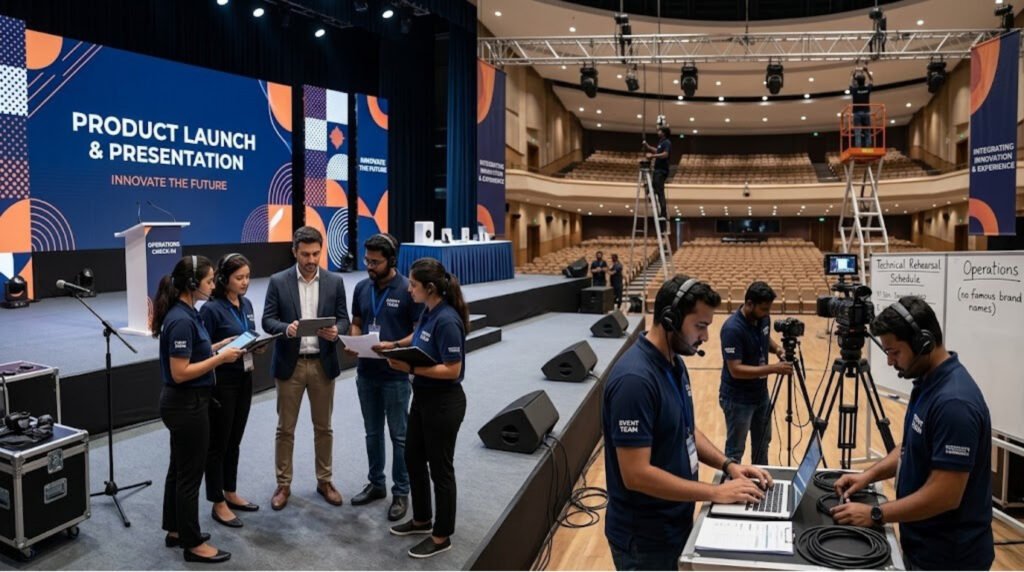
Consider a company organising a product launch in Mumbai. AI tools might assist with audience research, initial invitation drafts, registration analysis and post-event reporting. However, the event team must still assess the venue, coordinate production partners, review the stage design, manage rehearsals, supervise technical requirements and respond to last-minute changes.
The same principle applies to conferences, award ceremonies, employee engagement programmes and leadership summits. Technology can help organisers prepare and interpret information, but successful execution requires coordination among people, suppliers and stakeholders.
A balanced workflow may look like this:
- Define the objective: Establish whether the event is intended to generate leads, launch a product, engage employees, strengthen relationships or communicate business strategy.
- Identify suitable AI applications: Select tools that address specific planning or execution challenges instead of adopting technology without a clear purpose.
- Review the information: Check AI-generated recommendations, schedules, communications and reports for accuracy.
- Coordinate the people involved: Align vendors, speakers, internal teams and venue representatives around confirmed requirements.
- Monitor the live event: Keep experienced event professionals available to manage issues, support attendees and make decisions as circumstances change.
- Measure the outcome: Compare actual results with the original objectives and identify improvements for future events.
This approach allows businesses to benefit from innovation without compromising the reliability and personal attention that professional event management requires.
The Role of AI in Corporate Events Across India
Businesses organising events across multiple Indian cities face additional coordination challenges. Venue availability, supplier networks, transportation, local requirements, production arrangements and regional audience expectations can vary significantly from one location to another.
For companies planning conferences, annual celebrations, exhibitions or product launches in Mumbai, Pune, Delhi, Bengaluru, Hyderabad and other major cities, technology can help centralise information and improve communication between teams. Shared planning systems, automated reminders and consolidated reporting can make it easier to monitor multiple workstreams.
AI-assisted analysis may also help organisers compare historical event information, identify recurring operational issues and organise feedback from different locations. However, it cannot replace local supplier verification, venue inspections, contract reviews or on-site coordination.
A successful multi-city event programme needs both consistent processes and local understanding. Technology can support the overall plan, while experienced event professionals ensure that each location is prepared for its specific requirements.
For businesses seeking a corporate event management company in Mumbai that can coordinate events across different locations, the priority should be a partner with a structured planning process, reliable vendor coordination and the ability to adapt to each event’s objectives.
How Key Event Solutions Can Help Businesses Create Smarter Events
At Key Event Solutions, successful events begin with understanding the client’s objectives, audience, budget and operational requirements. Technology can support this process, but it must fit into a broader strategy that considers planning, production, logistics, communication and the attendee experience.
As an event management partner, Key Event Solutions supports corporate events through services such as event planning, venue coordination, stage and audiovisual requirements, guest management, supplier coordination and on-site execution. These capabilities are relevant whether a business is organising a product launch, conference, annual celebration, leadership meeting, brand activation or employee engagement programme.
When businesses consider incorporating AI into their events, a structured approach can help identify where technology may be useful. This could include improving registration workflows, organising attendee communications, supporting event content planning or making post-event reporting more systematic. The selection of any specific AI tool should depend on the client’s needs, available systems, data requirements and budget.
AI should support the event strategy rather than become the strategy itself. A well-designed event still needs a clear purpose, a suitable venue, reliable suppliers, strong production planning and professionals who can manage the details from preparation through execution.
With more than a decade of event experience and over 550 successful events, Key Event Solutions focuses on creating experiences that bring planning, coordination and execution together. Businesses can explore its services at Key Event Solutions.
Frequently Asked Questions
1. What is AI in corporate event management?
AI in corporate event management refers to using artificial intelligence to support tasks such as event planning, attendee registration, personalised recommendations, networking, data analysis and post-event reporting. Its capabilities depend on the tools selected and the information available.
2. How can AI help with corporate event planning?
AI can help event teams draft checklists, organise information, summarise planning discussions, prepare communication drafts and analyse available data. Event professionals should review its output before using it for operational decisions.
3. What are the best AI event management tools?
The best tools depend on the event’s requirements. Businesses can evaluate platforms for registration, attendee engagement, networking, analytics and workflow automation. Before choosing one, compare its features, pricing, integration options, data policies and support.
4. Can AI replace a corporate event management company?
No. AI can support selected planning and administrative tasks, but it does not independently replace venue coordination, supplier management, production supervision, guest hospitality or live event problem-solving. Professional event teams remain essential for managing the complete experience.
5. How does AI improve attendee engagement?
AI-enabled platforms may recommend relevant sessions, suggest networking connections, answer common questions and help organisers analyse engagement indicators. The quality of the experience still depends on useful content, thoughtful event design and meaningful human interaction.
6. Is AI useful for small corporate events?
Yes, where it addresses a genuine need. Smaller events may benefit from AI-assisted content creation, registration communication, planning checklists or feedback summaries. Businesses should choose tools proportionate to their event size and budget.
7. Is AI event planning suitable for events in Mumbai?
AI-assisted planning can support events in Mumbai by helping teams organise schedules, communications, registration information and reporting. Venue selection, local vendor coordination, production and on-site execution still require practical planning and professional oversight.
8. What should businesses consider before using AI for events?
Businesses should assess data privacy, output accuracy, platform costs, integration requirements and the need for human review. They should also establish clear responsibilities for verifying event information and managing attendee data.
Related Blogs & Resources
Explore these resources to learn more about corporate event planning, budgeting and event execution.
Related blogs from Key Event Solutions
- Key Event Solutions — Explore event management services and corporate event solutions.
- How to Plan a Flawless Corporate Event in Mumbai — Understand the key stages of corporate event planning.
- Why Hiring an Event Management Company Saves Time and Money — Learn how professional coordination can help businesses manage event resources.
- How to Budget for a Corporate Event — Explore budgeting considerations for corporate events.
- Product Launch Events: How to Create Maximum Brand Impact — Discover ways to create a memorable product launch experience.
External resources
- Eventbrite: Event Planning — Explore event planning guidance and practical considerations.
- Events Industry Council — Access industry resources and information relevant to professional events.
Final Thoughts
AI is creating new opportunities for corporate event organisers to improve planning, personalise attendee experiences and make better use of event data. From smart registration and networking recommendations to automated workflows and post-event reporting, these applications can support a more organised and responsive event process.
However, technology delivers value only when it serves a clear purpose. Accurate information, responsible data practices, reliable suppliers, creative thinking and experienced on-site coordination remain central to successful events. Businesses that combine appropriate AI tools with professional event expertise will be better placed to build meaningful experiences and learn from each event they organise.