
 August 18, 2026
| By
Key Event Solutions
August 18, 2026
| By
Key Event Solutions
12 Event Trends You Should Know for 2026
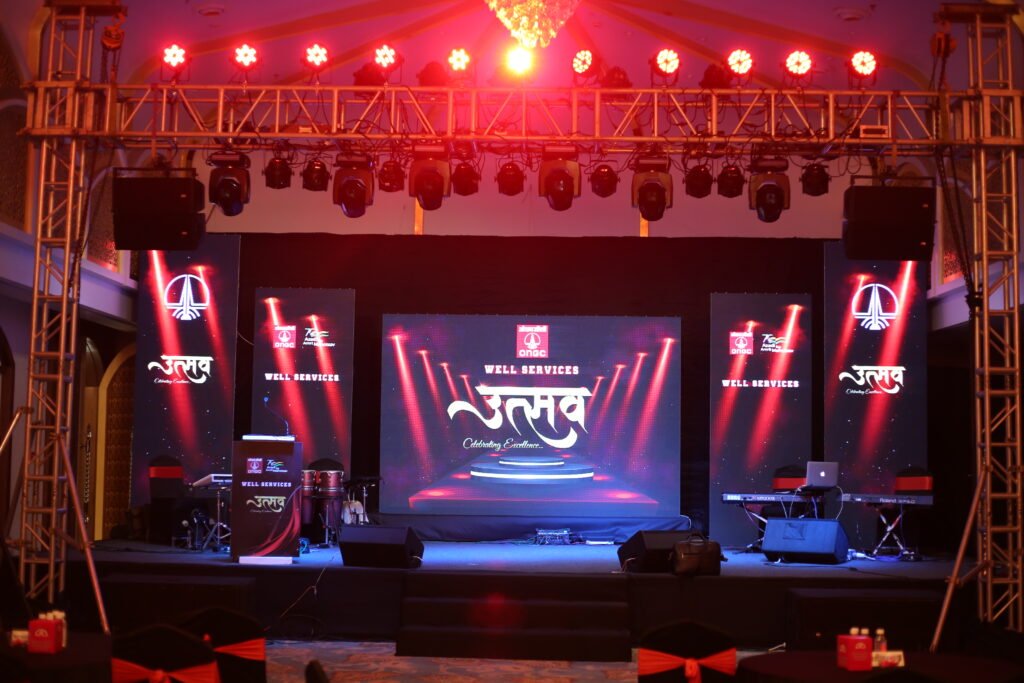
The Changing Face of Events in 2026
The events industry is entering 2026 with a completely different mindset. People are no longer satisfied with simply attending an event, sitting through a presentation, and leaving with a gift bag. Whether it’s a corporate event, conference, product launch, employee engagement activity, exhibition, wedding, or brand activation, audiences increasingly expect experiences that feel relevant, interactive, personalized, and worth remembering.
For businesses, this shift has made professional event planning more important than ever. A successful event now involves much more than venue booking and vendor coordination. It requires event strategy, creative production, technology, audience engagement, branding, sustainability, and seamless execution.
As a leading Corporate Event Management Company in Mumbai, Key Event Solutions understands how quickly the industry is changing. With experience across Mumbai, Pune, Delhi, Bengaluru, Hyderabad, Chennai, and other major cities, we help businesses transform event concepts into experiences that create genuine impact.
So, what should businesses and event professionals watch out for in 2026?
Here are 12 event trends shaping the industry this year.
1. AI-Powered Event Experiences
Artificial Intelligence is moving from being a buzzword to becoming a practical event-management tool.
In 2026, AI is being used to make events smarter and more personalized. From recommending relevant sessions and networking opportunities to assisting with registrations and analyzing attendee feedback, AI can support almost every stage of the event journey.
For event organizers, this means less time spent on repetitive administrative work and more time available for creativity and strategy.
AI can also help businesses understand what attendees actually want by analyzing registration patterns, engagement data, survey responses, and other event information.
The technology doesn’t replace the human element of an event. Instead, it allows event management companies to use data more effectively while keeping the experience personal.
As AI event management continues to develop, businesses are exploring artificial intelligence for attendee communication, personalization, event analytics, networking, and operational support. IBM – Artificial Intelligence
2. Personalization Is Becoming Essential
One event doesn’t necessarily work for everyone.
An employee attending a leadership conference may have very different expectations from a client attending a product launch. In 2026, event organizers are increasingly designing experiences around different audience segments rather than treating every attendee identically.
Personalization can appear in small details such as customized communication and welcome kits, or in larger elements such as personalized schedules, networking recommendations, interactive content, and tailored experiences.
For a Corporate Event Management Company in Mumbai, understanding the audience before designing the event is becoming just as important as understanding the client’s objectives.
The result is an event that feels more relevant—and therefore more memorable.
3. Hybrid Events Are Here to Stay
The return of physical events hasn’t eliminated virtual participation.
Instead, businesses have discovered that combining physical and digital experiences can significantly expand their reach.
A hybrid conference can bring hundreds of people into a venue while allowing employees, speakers, clients, or partners from other cities and countries to participate remotely.
This growing shift toward hybrid experiences is part of the wider transformation taking place across the global business events industry. Events Industry Council
This format can provide:
- Greater accessibility
- Wider audience reach
- Flexible participation
- Reduced travel requirements
- Additional engagement opportunities
- Useful digital event data
The challenge is making virtual attendees feel like participants rather than spectators watching a livestream.
That requires thoughtful production, interactive technology, strong content, and professional execution.
4. Experiential Events Are Taking Centre Stage
People remember what they experience.
That’s why experiential event design is becoming one of the biggest trends in 2026.
Instead of relying entirely on speeches and presentations, brands are creating environments where attendees can interact with products, technology, people, and stories.
Think immersive brand zones, interactive installations, gamification, live demonstrations, sensory experiences, creative photo opportunities, and technology-driven engagement.
For businesses, experiential events provide an opportunity to turn their brand story into something audiences can actually see, touch, explore, and remember.
A skilled top event agency can bring together creative design and strategic objectives to ensure the experience isn’t just impressive—it also serves a purpose.
5. Sustainability Is Becoming Part of Event Strategy
Sustainability is no longer something organizations discuss only in boardrooms.
It is increasingly becoming part of the event itself.
Businesses are exploring ways to reduce waste, minimize unnecessary printing, choose reusable branding materials, work with local suppliers, reduce single-use products, and make more responsible venue and catering choices.
Digital invitations and QR-based registrations are also helping reduce paper consumption.
Sustainable event planning doesn’t mean sacrificing creativity. In fact, it can encourage event teams to think more creatively about design, production, gifting, décor, and logistics.
For modern event management companies in Mumbai, sustainability is increasingly becoming a consideration from the initial planning stage rather than an afterthought.
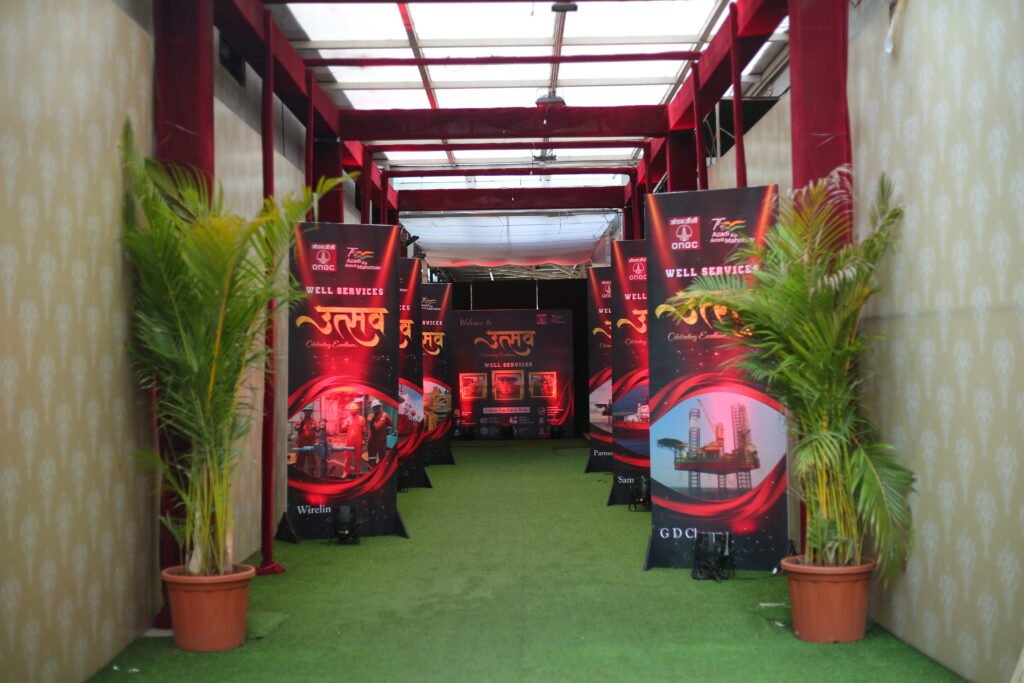
6. Employee Engagement Events Are Becoming More Strategic
Employee events have moved far beyond annual parties.
Organizations are increasingly using employee engagement events to strengthen workplace culture, improve communication, recognize achievements, and create stronger connections between teams.
In 2026, businesses are exploring:
- Team-building experiences
- Corporate sports events
- Wellness activities
- Leadership retreats
- Family days
- Employee recognition events
- Festive celebrations
- Learning experiences
- Outbound retreats
The objective is no longer simply to entertain employees.
It’s about creating experiences that make people feel connected to the organization.
For HR teams and business leaders, professionally planned employee engagement events can become an important part of a broader people strategy.
7. Wellness Is Becoming Part of Corporate Events
Workplace well-being has become an important business conversation, and events are reflecting that change.
Corporate gatherings are increasingly incorporating wellness into their programming through activities such as yoga, meditation, fitness challenges, wellness workshops, outdoor experiences, and healthy food options.
Even conferences that are traditionally presentation-heavy are beginning to include breaks and activities designed to help attendees recharge.
This is particularly relevant for longer conferences, leadership retreats, and employee-focused events where maintaining energy and attention throughout the day is essential.
The best event experiences understand that attendees are people first—not simply an audience.
8. Smaller, More Meaningful Events Are Growing
Bigger isn’t always better.
While large conferences and celebrations continue to have their place, many businesses are also exploring smaller, more focused experiences.
Private leadership dinners, executive networking sessions, intimate client gatherings, focused workshops, and curated brand experiences allow organizations to create deeper connections.
These events often provide more meaningful opportunities for conversation and relationship building.
For brands, the value isn’t necessarily measured by the number of attendees. It can be measured by the quality of interactions created.
9. Data-Driven Event Planning
In 2026, successful events are increasingly being measured beyond attendance numbers.
Businesses want to understand what happened before, during, and after the event.
Event data can provide insights into:
- Registration trends
- Attendance
- Session engagement
- Audience participation
- Feedback
- Networking activity
- Lead generation
- Overall event performance
This information allows organizers to understand what worked and what needs improvement.
For a professional event management firm, post-event analysis is becoming an important part of delivering long-term value to clients.
The goal is simple: every event should provide insights that make the next one better.
10. Technology Is Becoming Invisible
One interesting trend for 2026 is that the best event technology often doesn’t feel like technology.
QR check-ins, digital badges, event apps, automated communication, cashless systems, interactive displays, and smart registration platforms are designed to make the attendee journey easier without distracting from the experience.
Technology works best when people don’t have to think about it.
The registration should feel effortless.
The information should be easy to access.
The presentation should run smoothly.
And the event team should be able to identify problems before attendees notice them.
That is where experienced event planners and technical production teams make a major difference.
11. Corporate Anniversaries Are Becoming Brand Experiences
A corporate anniversary is no longer simply an evening of speeches, dinner, and entertainment.
Businesses are turning milestones into opportunities to tell their story.
A 10th, 25th, or 50th anniversary can bring together employees, founders, clients, partners, and stakeholders to celebrate the company’s journey while introducing its vision for the future.
Creative storytelling, employee recognition, archival content, brand films, immersive décor, entertainment, and experiential production can transform an anniversary into a powerful brand moment.
For companies planning an important milestone, working with a professional corporate event planner can help turn the history of the organization into an experience people remember.
12. The Rise of End-to-End Event Partners
Perhaps the most important trend is the growing preference for complete event solutions.
Businesses don’t want to spend their time coordinating ten different suppliers.
They want one experienced partner who understands the brief, manages the budget, coordinates vendors, oversees production, handles logistics, and takes responsibility for execution.
This is why demand for professional event management companies in India continues to grow.
An experienced event partner can manage everything from strategic planning and event conceptualisation to venue selection, logistics, stage and AV design, registration, hospitality, branding, and on-site execution.
At Key Event Solutions, our approach is built around exactly this philosophy:
From Concept to Execution — Your Vision, Our Expertise.
What These Trends Mean for Businesses and the Future of Events
The biggest change in the events industry isn’t simply the introduction of new technology. It’s the way businesses now think about experiences.
A corporate event is expected to achieve something beyond bringing people into the same room. It may need to strengthen employee relationships, generate leads, communicate a brand message, celebrate a milestone, launch a product, build client trust, or create a stronger company culture.
That is why the role of a professional event management company in Mumbai is becoming increasingly strategic. The right event partner doesn’t simply execute a brief—they understand the objective behind it and turn that objective into an experience.
Here are some of the key ways these 2026 event trends are changing how businesses plan and execute events.
a) Events Are Becoming More Purpose-Driven
One of the biggest shifts in event planning is the move from “What should we organize?” to “What should this event achieve?”
A conference may be designed to generate business conversations. An employee engagement event may focus on team bonding. A product launch may be built around creating awareness and excitement. A corporate anniversary may celebrate the organization’s journey while communicating its future vision.
This purpose-first approach changes everything from the venue and format to the content, entertainment, décor, and audience experience.
For a professional corporate event management company in Mumbai, understanding the purpose behind an event is the foundation of effective planning.
At Key Event Solutions, every event begins with understanding the client’s objectives before moving into conceptualization and execution.
b) Experiential Branding Will Become More Important
Brands are constantly competing for attention.
A traditional logo placement or branded backdrop may no longer be enough to create a lasting impression.
In 2026, businesses are increasingly using events as physical extensions of their brand identity.
Imagine entering a product launch where every element—from lighting and music to interactive installations and guest activities—reflects the personality of the product.
That’s experiential branding.
It allows audiences to interact with a brand rather than simply see it.
For organizations investing in corporate events, this creates an opportunity to turn a single event into a memorable brand experience that attendees are more likely to talk about and share.
c) Social Media Is Becoming Part of Event Design
An event no longer exists only inside the venue.
Guests can photograph, record, post, share, and discuss the experience in real time.
This means social media needs to be considered during event planning—not after the event is over.
Creative photo opportunities, Instagram-friendly installations, branded content zones, short-form video moments, LED backdrops, interactive experiences, and live social content can extend the event’s visibility beyond the physical audience.
A well-designed event can therefore generate a second layer of engagement online.
This is particularly valuable for product launches, corporate celebrations, brand activations, conferences, and exhibitions.
d) Networking Will Become More Intentional
Networking has always been an important part of business events, but simply providing a coffee area isn’t enough.
Attendees increasingly want meaningful connections.
Technology can help by recommending relevant people to connect with, while curated networking sessions, roundtables, leadership conversations, and smaller discussion formats can create more valuable interactions.
For business conferences and industry events, this can turn networking from a passive activity into one of the main reasons people attend.
Professional resources from PCMA also highlight the evolving role of meetings, conferences, and business events in creating meaningful professional connections. PCMA
The best event planners understand that networking needs to be designed into the event experience rather than left to chance.
e) Corporate Anniversaries Will Become Storytelling Experiences
Corporate anniversaries deserve special attention in 2026.
A company anniversary represents years of hard work, people, milestones, challenges, achievements, and growth. Instead of treating it as another corporate party, businesses are increasingly turning anniversaries into storytelling experiences.
A professionally produced anniversary event can bring together:
- Company history
- Founder stories
- Employee journeys
- Client relationships
- Major achievements
- Brand films
- Recognition moments
- Future vision
A 25-year celebration, for example, can become a powerful opportunity to recognize the people who contributed to the organization’s success while creating excitement about the next chapter.
This is where an experienced top event agency can add real value by combining storytelling, creative production, entertainment, branding, and event strategy.
f) Employee Experieces Will Continue Beyond One Annual Event
Employee engagement is becoming an ongoing strategy rather than a once-a-year activity.
Organizations are increasingly planning multiple experiences throughout the year to maintain connection and morale.
These could include:
Quarterly team-building activities, corporate sports events, wellness programs, festival celebrations, leadership retreats, family days, and employee recognition events.
The focus is shifting from one large annual celebration to a calendar of smaller and larger experiences that continuously reinforce workplace culture.
For HR departments, this makes partnering with a reliable corporate event planner particularly useful.
g) Sustainable Events Will Becme the New Normal
Sustainability is increasingly influencing decisions around venues, catering, décor, transportation, gifting, printing, and production. Businesses are looking for practical ways to reduce unnecessary waste while maintaining a premium event experience. For organizations exploring sustainable event management, the United Nations Sustainable Development Goals provide a useful framework for understanding broader sustainability priorities.
Businesses are looking for practical ways to reduce unnecessary waste while maintaining a premium event experience.
Some approaches include digital invitations, reusable signage, responsible gifting, locally sourced food, sustainable décor materials, waste segregation, and reducing single-use products.
Sustainability can also become part of the event story itself.
An organization that prioritizes responsible business practices can use its event to demonstrate those values to employees, clients, and stakeholders.
h) Smaller Events Will Create Deeper Connections
Large-scale events will continue to matter, but smaller gatherings are becoming increasingly valuable for relationship building.
Executive dinners, leadership roundtables, private networking events, client experiences, intimate product showcases, and curated workshops can provide something a massive conference sometimes cannot—meaningful conversation.
For businesses, these smaller events can be highly effective for relationship management and business development.
The future isn’t necessarily about choosing between big and small events.
It’s about choosing the right format for the objective.
Why Key Event Solutions Is Ready for the Future
Trends may change every year, but successful event management continues to depend on a few fundamentals: strategy, creativity, planning, coordination, and execution.
At Key Event Solutions, we combine these fundamentals with modern event practices to create experiences that are relevant to today’s audiences.
From our offices and operations across Mumbai, Pune, and Delhi, we deliver events across India, including major business hubs such as Bengaluru, Hyderabad, Chennai, Ahmedabad, and Nagpur.
Our expertise includes Corporate Events, Annual Celebrations, Activations, HR Events & Initiatives, Sports Events, Outbound Retreats, Festive Celebrations, Branding & Gifting, conferences, product launches, exhibitions, and corporate anniversaries.
Our approach covers the complete event journey:
Strategic Planning & Event Conceptualisation → Venue Selection & Logistics → Professional Stage & AV Design → Guest Management & Registration → On-Site Coordination & Execution
With more than a decade of experience and 550+ successful events across industries, our objective is simple: to transform your vision into an experience that people remember.
If you’re searching for the best event management company in Mumbai, a reliable Corporate Event Management Company in Mumbai, experienced corporate event planners in Mumbai, a top event agency, or a premier event agency capable of handling events across India, Key Event Solutions brings experience and execution together under one roof.
From corporate event planning in Mumbai and event management in Pune to corporate event planning in Delhi, Bengaluru, Karnataka, Hyderabad, Chennai, Ahmedabad, and other major cities, our team delivers customized solutions for businesses looking for professional corporate event organizers and end-to-end event management services.
What Should Businesses Expect From Events in 2026?
The future of events isn’t about choosing the newest technology simply because it’s available.
It’s about knowing when technology adds value.
It’s about using personalization without losing the human touch.
It’s about making sustainability practical.
It’s about creating experiences instead of simply filling schedules.
And most importantly, it’s about understanding why people are attending in the first place.
Whether you’re planning a corporate conference in Mumbai, an employee engagement event in Pune, a leadership summit in Delhi, a product launch in Bengaluru, or a corporate anniversary anywhere in India, the event should have a clear purpose and a thoughtful experience built around it.
The organizations that understand this shift will create events that don’t simply happen—they create conversations, connections, memories, and measurable business impact.
Frequently Asked Questions
What is the biggest event trend in 2026?
There isn’t one single trend. AI, personalization, hybrid events, experiential design, sustainability, employee engagement, and data-driven planning are among the major developments shaping the industry.
Are traditional live events still relevant?
Absolutely. Live events remain extremely valuable because face-to-face interaction creates emotional connections that digital experiences cannot completely replace. The trend is toward combining live experiences with technology and digital participation where appropriate.
How can businesses make corporate events more engaging?
Businesses can use interactive experiences, gamification, personalized content, networking formats, technology, entertainment, storytelling, and audience participation to make events more engaging.
Why should a company hire an event management company?
A professional event management company in Mumbai can manage strategy, budgeting, venue selection, vendors, production, logistics, guest management, and on-site execution, allowing the organization to focus on its objectives and attendees.
Does Key Event Solutions manage events outside Mumbai?
Yes. Key Event Solutions manages events across Mumbai, Pune, Delhi, Bengaluru, Hyderabad, Chennai, Ahmedabad, Nagpur, and other major cities across India.